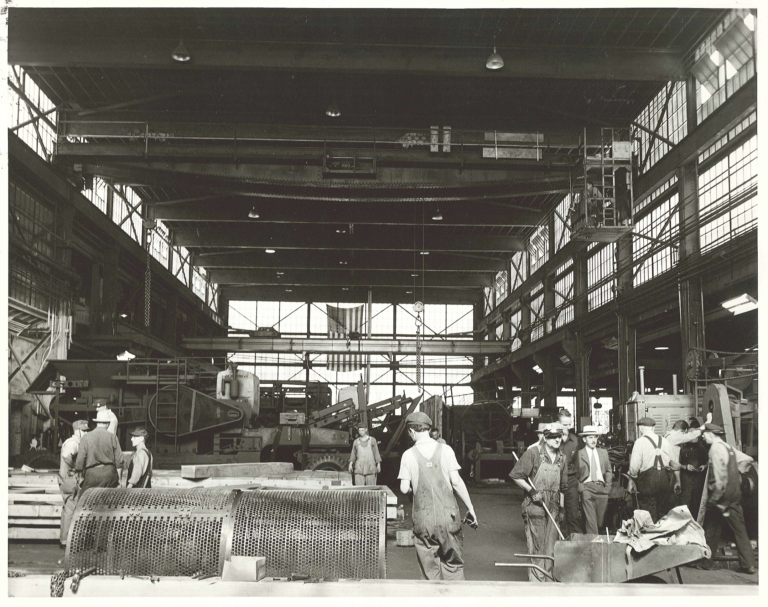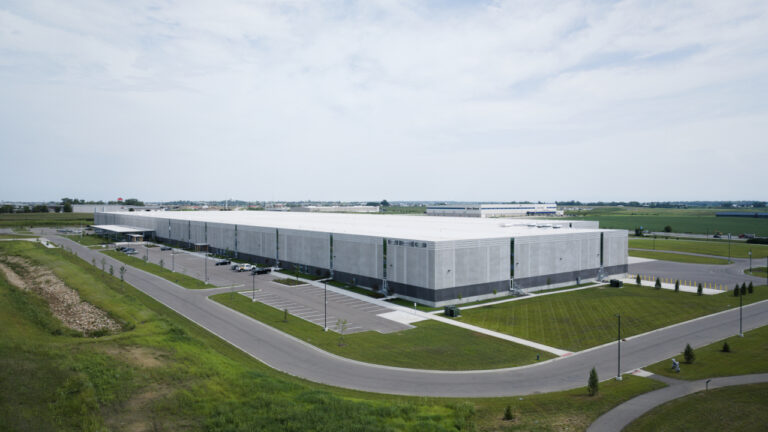


The best manufacturers aren’t defined by what they make. They’re defined by how they develop people.
Over the past several years, I’ve had the privilege of interviewing more than 100 manufacturing leaders across Iowa, first as host of The Iowa Manufacturing Podcast and now as host of Made in Iowa.
Those conversations have taken me from food processing facilities and agricultural manufacturers to precision component makers, electrical infrastructure companies and family-owned shops that quietly compete on a global stage.
While the products vary dramatically, five themes have emerged again and again.
What I’ve learned challenges many of the assumptions people still hold about manufacturing today.
Many still imagine dirty facilities, repetitive work and limited opportunities for growth or innovation.
What I’ve found instead are organizations that develop talent, share ownership, encourage innovation and create environments where people can contribute far beyond their job descriptions.
1. Great manufacturers help people discover talents
In my Made in Iowa conversation, “Small Parts, Big Impact: Inside Accumold,” I learned that Accumold, headquartered in Ankeny, manufactures precision micro-molded plastic components used in medical devices, electronics, optics and other advanced technologies around the world.
Grace Swanson described a culture where employees are encouraged to grow beyond the role they were originally hired to perform. As technology advances and customer needs evolve, people are given opportunities to learn, stretch and develop new skills.
The company isn’t simply hiring for a position. It’s investing in potential.
The lesson is simple: the best manufacturers don’t hire people for a job. They hire them for what they might become.
2. Ownership creates innovation
In my conversation, “Open Books, Open Minds: Paul Mueller’s Secret to Engagement,” I learned how Paul Mueller Company, headquartered in Springfield, Missouri, with a major manufacturing operation in Osceola, uses Open Book Management to align employees around a common understanding of business performance.
Inspired by Jack Stack’s The Great Game of Business, employees throughout the company learn how daily decisions impact profitability, productivity and long-term success.
What impressed me most was how this approach creates alignment across multiple locations. Employees understand not only how their work impacts their department, but how decisions affect the broader organization. Teams in Osceola, Springfield and other facilities are working from the same playbook.
When employees understand the score, they begin thinking like owners instead of operators.
3. Culture Creates the Ability to Adapt
In my discussion, “Beyond Equipment: ALMACO’s Strategic Shift into Contract Manufacturing,” I learned how ALMACO, headquartered in Nevada, Iowa, has successfully expanded from agricultural research equipment into contract manufacturing.
That transition required much more than equipment. It required people willing to learn, adapt and solve new challenges.
Innovation may fuel growth, but culture sustains it.
Markets change. Technologies evolve. Customer demands shift.
Organizations with strong cultures can adapt because their people can adapt.
4. Relationships are a competitive advantage
In conversations with John Rapp and Billie Asmus, I was reminded that relationships remain one of the most powerful assets in business.
Auto-Jet Technologies, based in Des Moines, manufactures automated lubrication and fluid dispensing systems used by customers around the world. Repaint Studios, founded by Billie Asmus, transforms discarded and overlooked materials into custom artwork and creative installations.
John Rapp emphasized the importance of relationships with employees, customers and suppliers, particularly during periods of uncertainty. Strong relationships create trust, and trust creates resilience.
That lesson was reinforced in my conversation, “Billie Asmus Couldn’t Find It on Amazon, So She Built It Herself.” Building a successful business required far more than talent and creativity. It required relationships, partnerships, community support and people willing to open doors along the way.
The strongest manufacturers and entrepreneurs understand that trust is an asset every bit as valuable as equipment or inventory.
Some of the most valuable assets in business never appear on a balance sheet.
5. Investing in people drives performance
In my conversation, “From Farm to Facility: Innovation at Osceola Foods,” leaders at Hormel Foods’ Osceola facility, one of Iowa’s largest food manufacturing operations, described their Applied Engineering Technology program, which develops employees into highly skilled maintenance and engineering support professionals.
Rather than searching endlessly for talent, the company develops it.
Employees receive education, training and opportunities to advance into critical technical positions. The company fills essential workforce needs while employees build careers they may never have imagined when they first joined the organization.
The lesson was simple: When organizations invest in people, people invest back.
After more than 100 conversations, I’ve come to believe the biggest misconception about manufacturing is that it is primarily about machines.
Machines matter. Technology matters. Automation matters.
But the manufacturers leading Iowa forward have discovered something even more important.
Their greatest competitive advantage is people.
They help employees discover hidden talents. They create ownership. They build cultures capable of adapting. They invest in relationships. And they invest in the growth of their workforce.
In the process, they are not simply manufacturing products.
They are manufacturing opportunity.
Leisa Fox is the founder of Fox Growth Strategies and host of the Made in Iowa podcast.