
Several development projects, including the expansion of the Sub-Zero plant in southwest Cedar Rapids and the redevelopment of the former Principal building downtown, are moving forward after votes by the Cedar Rapids City Council Tuesday, along with support for a new Caledonia Haulers logistics facility.
The redevelopment of the Principal building was the largest of three development agreements approved by the council Tuesday. The adaptive reuse project, being pursued by an entity of local developer Steve Emerson, is set to convert the building, at the corner of Second Avenue and Second Street SE, to 26 market-rate apartments on the building’s upper floors, with a mix of studio, one-bedroom and two-bedroom units.
The main floor would be repurposed for commercial space.
The project has a projected investment of $16.3 million, according to council documents. The building’s historical features and architecture will be retained, as required by the State Historical Preservation Office.
Construction is expected to begin this summer and be complete by summer 2027.
The city of Cedar Rapids is providing a standard 10-year, 100% tax rebate for the housing portion of the redevelopment and a 10-year, 50% rebate for the commercial portion. Based on the investment and post development value, the project is expected to generate $2.4 million in total taxes over 10 years, with $1 million being rebated back to the developer.
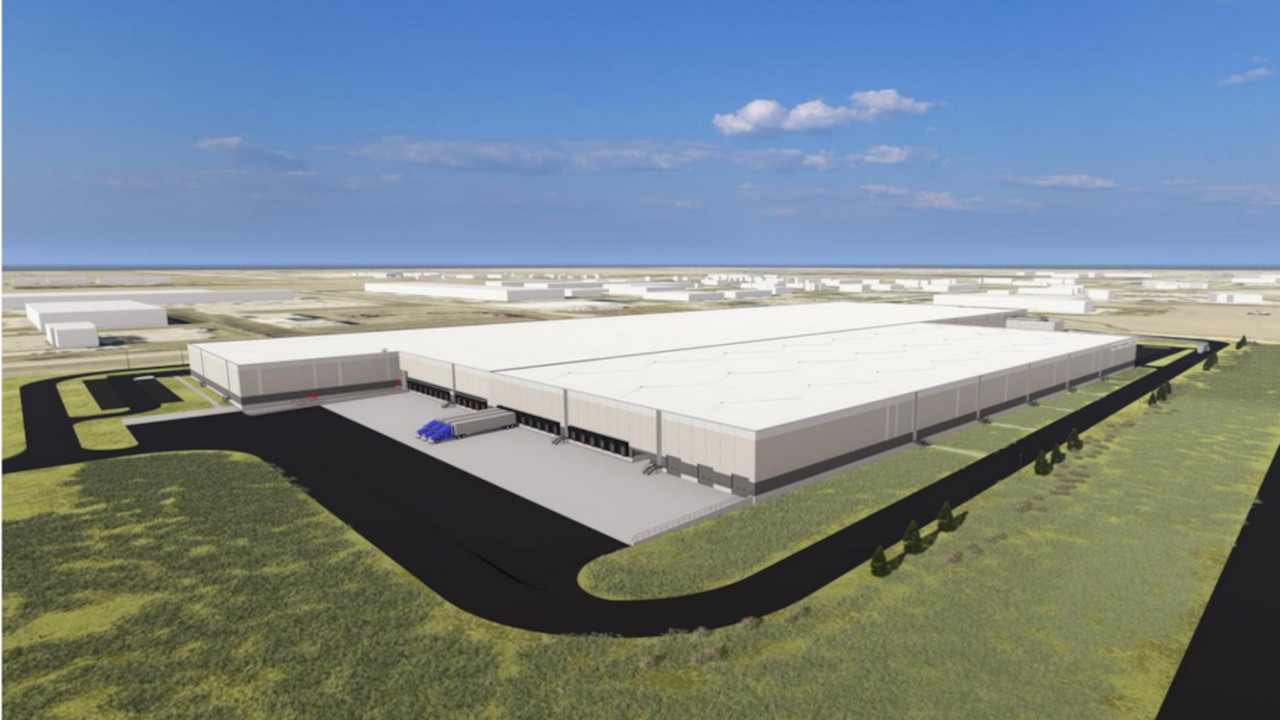
The council also formally approved the development agreement for a $196.3 million expansion of the Sub-Zero plant in southwest Cedar Rapids.
The 225,000-square-foot expansion project, announced by Sub-Zero officials in late April, includes the projected addition of 312 new jobs. Construction is expected to begin in August and take about two years to complete.
The project will serve as an expansion of the existing $140 million, 600,000-square-foot plant, which hosted a ribbon-cutting ceremony in May and is expected to begin production by early 2027.
Two other development agreements were also approved Tuesday. The first, with an entity of Grace Gudenkauf, is for a $1.46 million housing project at 934 and 940 L St. SW. As part of the project, a single-family home, attached accessory dwelling and detached accessory dwelling above a two-stall garage will be built on each of the two lots, for a total of six market-rate housing units.
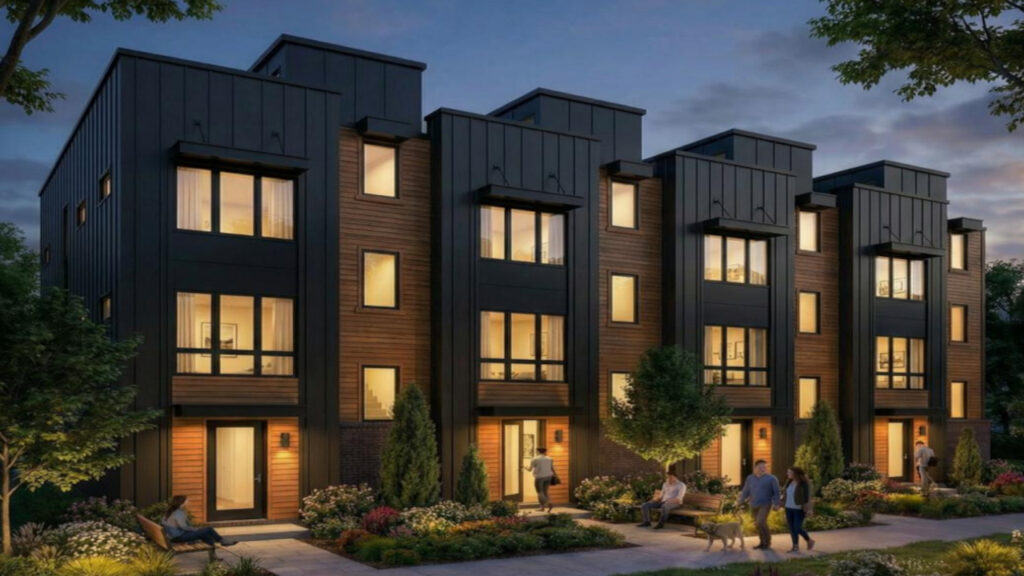
The third project, by an entity of local developer Tyler Oswood, involves construction of two three-story townhomes at the southwest corner of 10th Avenue and Fifth Street SE. One building will have four units, and the other will have three. Each unit will have three bedrooms and 2 ½ baths, and include rear-load garages. The total project investment is estimated at $2.45 million.
Incentives approved by the council in April will provide a 15-year,100% rebate of increased taxes generated by the project. Based on the investment and estimated post-development value, the project is expected to generate $725,000 in total taxes over a 15-year period, of which $600,000 would be rebated back to the developer.
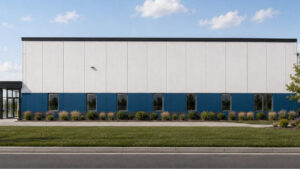
The council also voted Tuesday to approve a resolution of support for financial incentives under the city’s Business Incentives for Growth (BIG) development program for a new transportation and logistics facility at 420-550 French Court SW.
The $14 million project will be developed by an entity of Minnesota-based Caledonia Haulers, a transportation company specializing in bulk-liquid food grade products. The company has an existing facility at 347 Waconia Court SW in Cedar Rapids.
The 40,000-square-foot building is expected to include full drive-through service bays, automated wash bays, office space and a parking lot for trucks and trailers. It’s expected to create 27 new jobs, with 15 or more at or above the state’s high-quality jobs threshold of $30.41 per hour.
The project qualifies under the city’s BIG program based on the company’s expansion into the Cedar Rapids market providing at least 10 jobs supporting the transportation and logistics industry. That incentive is a 10-year, 50% reimbursement of increased taxes generated by the project. Based on the investment and estimated post-development value, the project is expected to generate $3.3 million in total taxes over the 10-year period, of which $1 million would be rebated back to the company.
To provide the incentive, an Urban Renewal Area TIF district would be established to allow the city to collect increment taxes and rebate them as part of a formal development agreement. Construction is expected to start in August and be complete by December 2028.
Local residents Melissa Duffield and Kimber Dunahoo objected to many of the development projects at Tuesday’s meeting, seeking details about the companies behind the developments and asking why they didn’t include affordable housing.