
Have you ever wondered what that person across the street, down the street, maybe living next door, is doing all day?
Like more than 30 million Americans, they are likely working from home.
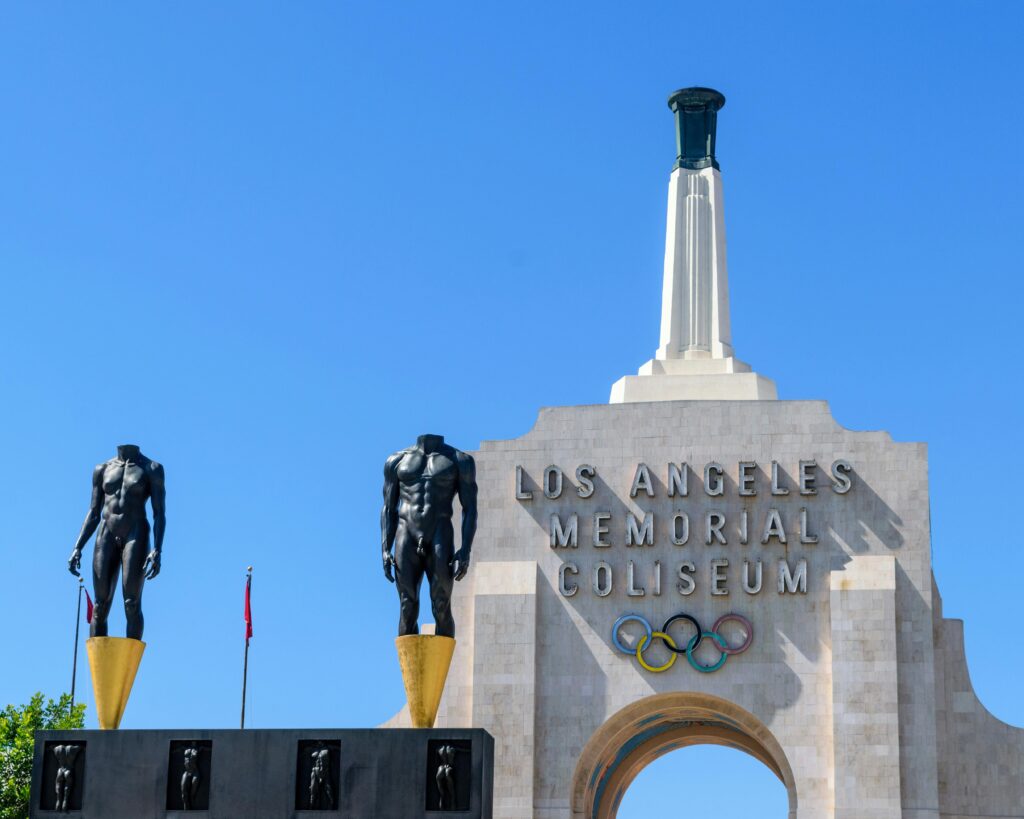
Maybe they are an international spy. Maybe they are doing inside sales or marketing for a major company. Maybe, just maybe, they are working on making the 2028 Olympic Games run a little smoother for a handful of countries and sports federations participating in the event.
Right here in the Corridor. Right here in Cedar Rapids, Iowa.
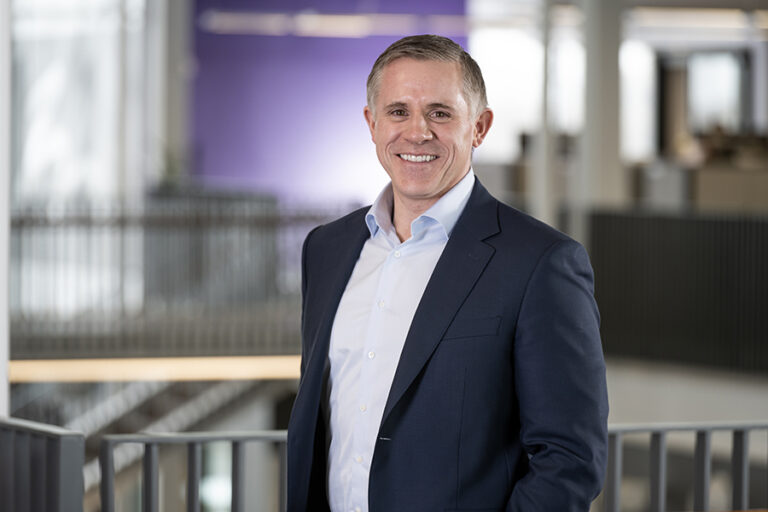
Far-fetched? You bet, but that’s exactly what Dave Stow, president and CEO of Stow Sports Management, is doing.
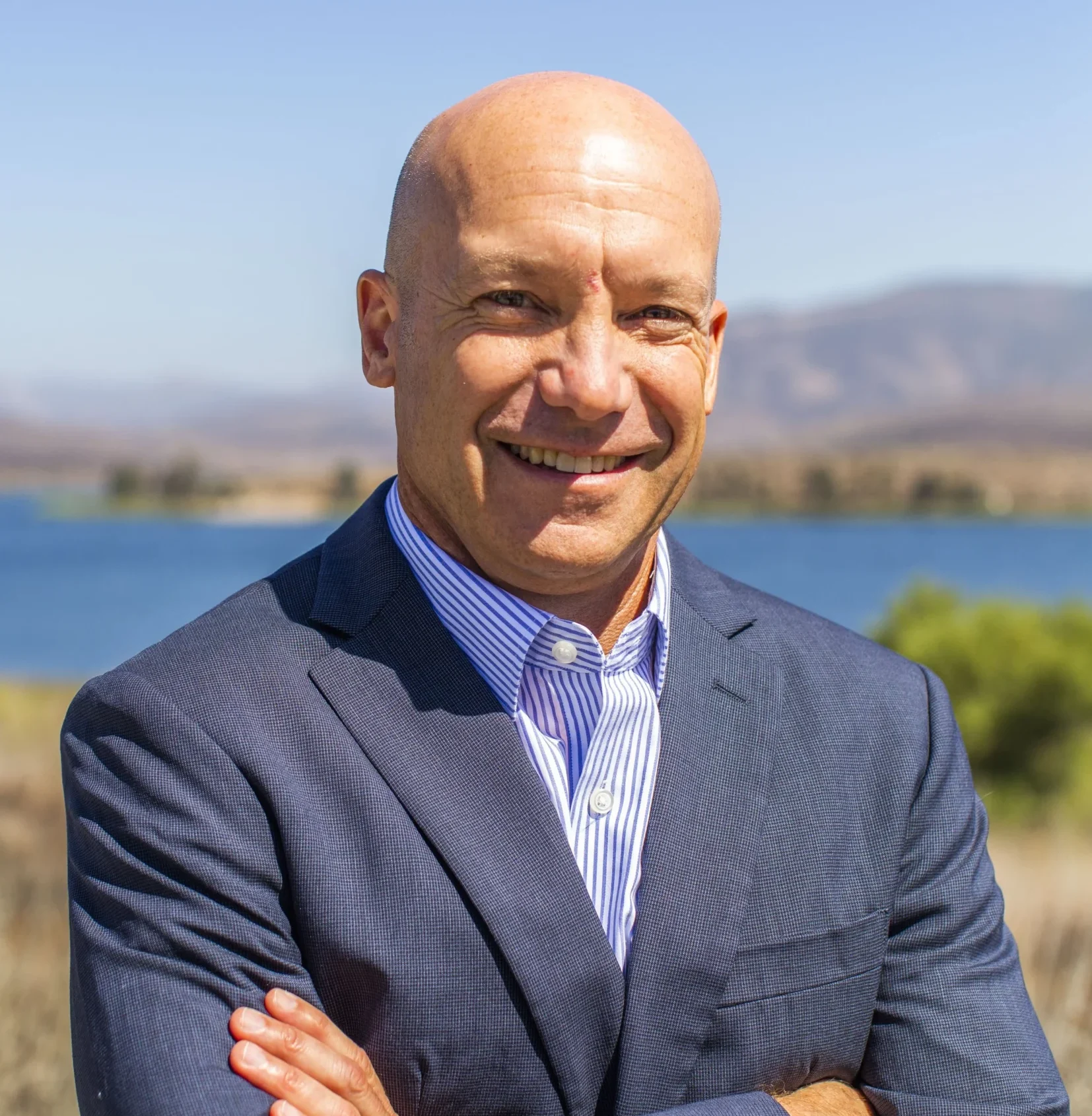
“This is me sitting in a spare bedroom of my house,” Mr. Stow said in a recent telephone interview from his home in Cedar Rapids. “It’s me, literally the cat, and all my professional friends I made through my life with the Olympic movement way back when and in facility management.”
Stow Sports Management is a multi-faceted consulting company that works in “facility management, event operations and venue development,” according to Mr. Stow’s LinkedIn profile. It also helps individual sports gain traction in a sports-crazed world.
“I wouldn’t call it a company. It’s an individual project,” said Mr. Stow, who has more than 32 years of experience in those fields, including working with eight Olympic Games and three Super Bowls, among many other endeavors. “I’ve been running sports facilities my whole professional career. So if anyone on the planet has a sports complex and they’re like ‘we’re just not operating efficiently, we need more money.’ I can help them out.
“I can go in and kind of look under the hood and say, ‘hey, guys, you’re overstaffed. You need to have more revenue streams.’ … I can help them figure it out.”
A California native who worked with the United States Olympic & Paralympic Committee for 21 years and ran the U.S. Olympic Training Center in Chula Vista, Calif., he moved to Iowa in 2019 to run the TBK Bank Sports Complex in Bettendorf. After getting the facility through COVID, he looked for something a little different.
“I realized I kind of wanted to do some other things,” Mr. Stow said. “So the owner and I shook hands and I sat down and started working on some projects which I’ve thoroughly enjoyed for the last couple years and decided to stick it out here in Iowa because California is super expensive.”
The Iowa connection runs a little bit deeper these days. He has a sister who has lived in Cedar Rapids for “years and years and years” and a “whole crew” in the state now, including his wife, a son who lives in the Quad Cities and his parents-in-law.
“It’s fun to have family,” Mr. Stow said. “(His sister) was the only family member living out of California and we’re like, ‘what did you leave for?’ And then sure enough, I moved to her town and we’re like, ‘oh, we see, we understand now.’
“Iowa has a great quality of life, you know.”
While Stow Sports Management – that “individual project” – does a variety of things, the biggest one right now is working on the 2028 Summer Olympics in Los Angeles.
“When I was at the Olympic Committee when new sports would come on the program such as beach volleyball, triathlon, softball, rugby, BMX cycling, skateboarding, all these new sports, when they would come on, there’s an onboarding process,” Mr. Stow said. “… These are athletes and sport administrators and operators that are very independent and then you get put in this Olympic world and there’s all these guidelines and rules and structure. And how do you do that? How do you navigate that?”
He’s expanded that footprint to work with sports federations and other countries that will be in Los Angeles in 2028. His connections through the USOPC has helped him navigate another dimension of the Olympic experience.
“Our phones were ringing, and it was all of our friends around the world saying, ‘hey, we need to find a place to train in Los Angeles for the couple weeks before the Olympics because we need some acclimation time prior to the Olympic venues opening up,” Mr. Stow said. “You can’t fly over from Germany, wake up the next morning, go to opening ceremonies and start competing.”
None of the official Olympic venues are open until a few days before the Games begin. Stow and his team – former USOPC colleagues Greg Harney and Gary Moy – not only know what Olympic athletes and teams need, they know the landscape in Los Angeles.
“You need a place to sleep, a place to eat, a place to train and a place to acclimate,” Mr. Stow said. “If you’re somewhere else in the world, you may not know Los Angeles very well. So these couple buddies of mine who have been in the business were like we can start helping these friends out.”
His past as a collegiate and national-level gymnast at UC Santa Barbara and coach at Cal State Fullerton helps him deal with international athletes, coaches and federations.
“I understood what it was like to be an athlete. I understood what it was like to coach,” he said. “I understood what it was like to be under that pressure.”
He and his two partners “scoured Southern California, which we know very well, and started building the inventory of swimming pools and track and field venues and gymnasiums and softball fields, soccer fields, rugby fields, and then as our friends called from all these different countries, you’re like, ‘yeah, we have a great fit for you.’ … It started turning into a little business.”
Mr. Stow and friends get paid a “finder’s fee” either by the country, the sports federation or the location they find. Some communities relish the opportunity to host an entire country’s team.
“So it’s kind of like matchmaking,” he said. “It sounds pretty glamorous, but really, it’s just providing a service to our career-long friends around the world and helping them find a place where, say, Team France, Team Mexico, Team Slovakia can come in with their shooters and their rowers and their volleyball team and and where can they train and eat and sleep for two or three weeks in Southern California before the Olympic venues open.”
It’s not always easy to find the perfect spot, either. And that’s always the goal. Some sports have unique challenges.
“Where do you find a gymnasium big enough for the sport of team handball?” Mr. Stow said. “… When you walk into most gymnasiums in the United States, they just aren’t built long enough or wide enough to accommodate the sport of (team) handball.
“You have to know the rules of the sport to be able to make the right fit.”
These also are world-class athletes who, Mr. Stow said, expect and need to be treated as such. You can’t just set up a team at any old park or open space and turn them loose.
“You can’t have the Chicago Bulls go out to a community park and say, ‘here you go, go ahead and play,’” he said. “So you can’t really expect athletes to go out into a park and train. It has to be a certain level of quality, has to be a certain level of privacy and access and support services. You know, these athletes need their medical staff and their coaching staff and video review.
“Not every facility can meet the needs of every sport.”
Then you have to find the right fit for each country. Mr. Stow and his team are working with about 12 different countries right now and five or six international federations.
“Is this country going to fit well in this community?” Mr. Stow said. “Is this community going to embrace and kind of adopt this country? … cities can do fan festivals and celebrate that the French are training in their community.”
And Stow Sports Management’s work isn’t done once the Games begin. There are going to be individual athlete and team needs while competing.
“There’s all these pieces that we have to think through,” Mr. Stow said, noting the Olympic Village is at UCLA, but the swimming venue, for instance, is 12 miles away at Sofi Stadium in Inglewood. “Los Angeles is very spread out … There’s no way in the world that you can swim a preliminary race in the morning, go all the way back up to UCLA, take a nap and rest, and come back in the evening for an evening race. So what do you do? … Where do these athletes rest? Where do they go back and have a conversation with their coaches in between sessions before morning early session, evening session?
“Where do all these countries come in and set up their offices so they can manage their team of 300, 400, 500 athletes? Where are these countries going to do their hospitality?”
Stow Sports Management is not affiliated with the Los Angeles Organizing Committee or the U.S. Olympic Committee, but “we call our friends at the U.S. Olympic Committee and say, ‘hey, guys we have a couple locations near the LA Coliseum. Would you be interested in securing them for your work? We think it would fit your needs very well.’
“It’s kind of like theTetris game,” Mr. Stow said. “What fits well in what spot.”
How does he keep all these moving parts pointed in the right direction, and run the other portion of his “individual project?”
“Organizational tools,” he said. “And, again, good people. It’s been really fun and… it’s not just an LA thing. It’s not just a southern California thing. I think the whole nation is going to be excited about it…”
This is the CBJ’s new recurring column exploring the business of sports in the Corridor, sponsored by Steindler Orthopedic Clinic.
While the scoreboard tells you who won the game, this column reveals the bigger story: How sports fuel local economies, transform communities, and open doors for entrepreneurs and investors throughout Eastern Iowa. From youth sports facilities to professional team developments, we’ll uncover the deals, the dollars, and the decisions shaping the Corridor’s sports landscape.