
Alliant Energy’s investment in a new natural gas-powered generating station in Cedar Rapids deserves recognition as a practical step toward meeting customer demand while transitioning away from coal.
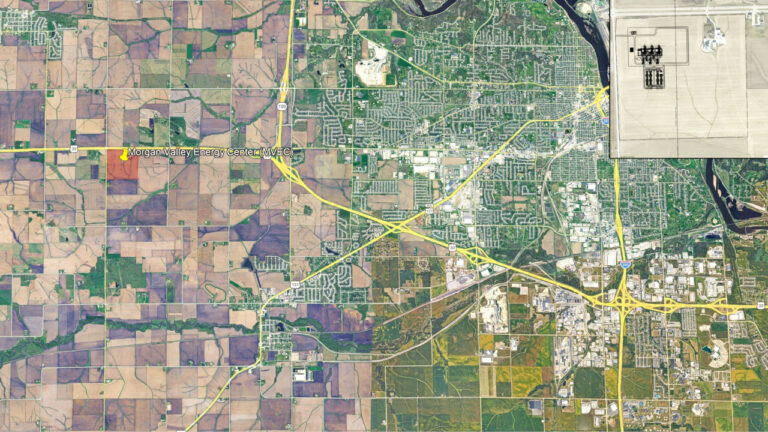
The Cedar River Generating Station will be built on the same property as the Prairie Creek Generating Station on the city’s southwest side. The new facility will include five reciprocating internal combustion engines, or RICE units, with a total generating capacity of 94 megawatts.
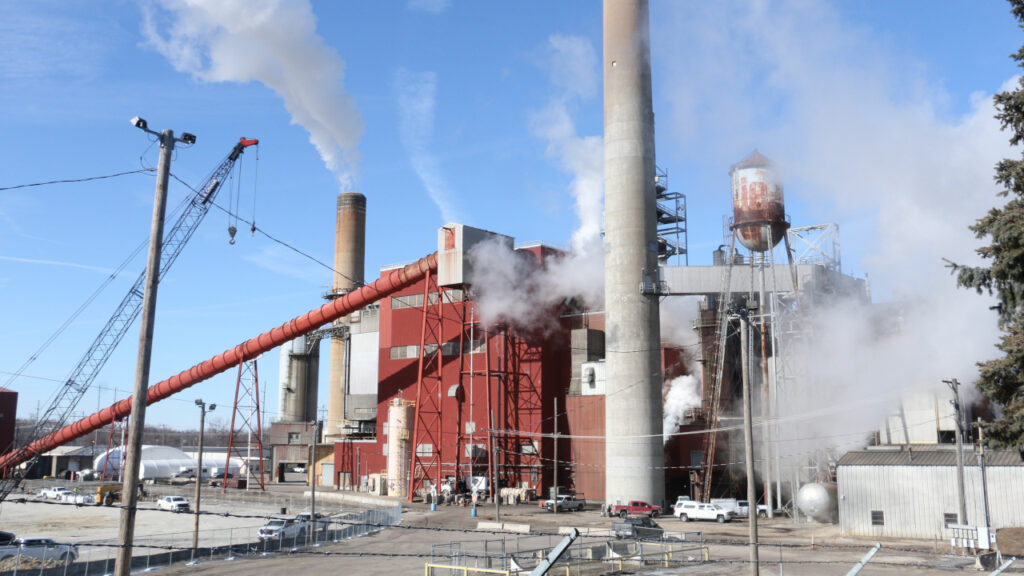
Construction is expected to begin in early 2026, with the station operational in 2027. The development follows Prairie Creek Generating Station’s cessation of coal burning at the end of 2025. When Prairie Creek was fully utilizing coal as an energy source, it produced more than 245 megawatts, according to a 2015 Cedar Rapids Gazette article.
Investing in regional electrical-generating capacity and grid infrastructure matters for business, industry and the overall economic climate.
Yet concerns emerge when energy companies eliminate specific energy sources — even coal, which has until recently faced political pressure for decades over climate change.
Natural gas burns more efficiently than coal, but the two serve different functions. Coal typically provides baseload power, operating constantly — essential for many industries. Natural gas serves flexibly for both intermediate and peak loads, meeting fluctuating demand and helping stabilize the grid, especially given unpredictable renewable energy generation.
The soundest policy for any utility — and for the United States as a whole — is maintaining a comprehensive energy portfolio, including coal. Energy markets prove exceptionally fickle, and political priorities shift with administrations.
During the Obama and Biden administrations, renewables such as solar and wind dominated as the politically preferred electricity source. President Donald Trump has dramatically shifted priorities away from renewables and toward coal and nuclear power.
On Feb. 11, The New York Times reported that over the past nine months, the Energy Department has taken the extraordinary step of ordering eight coal-burning units headed for retirement to stay open and keep running.
Trump administration officials say they plan to stop the closing of as many additional coal plants as they can over the next three years.
The administration is also taking steps to improve coal’s economics. The Environmental Protection Agency is rolling back several major Biden-era pollution rules that would have made it much more expensive, if not impossible, for many coal plants to keep operating.
Energy companies face a difficult task managing risk, navigating the unpredictable energy market and shifting politics. Maintaining a comprehensive, all-inclusive energy portfolio strategy remains the best short-term and long-term approach.
Inflation cools in Midwest
Year-over-year inflation in the Midwest and United States fell to 2.4% in January, down from 2.7% in December, according to Common Sense Institute’s analysis of the latest Bureau of Labor Statistics data.
The news is encouraging, but the farm economy remains sluggish, and manufacturing isn’t thriving either.
Despite the slowdown from pandemic-era highs, consumer prices in the Midwest remain 26.1% higher than January 2020 levels, according to the report issued Feb. 13.
The typical Iowa household must now spend $1,283 more monthly than in 2020 to maintain the same standard of living, CSI reported.
Lower inflation helps, but the Midwest still has work ahead to get its economy firing on all cylinders.