
Earlier in my career, I managed a nonprofit arts organization, a professional vocal group. In a conversation with a generous supporter, she mentioned that she wanted her donation to the organization to support only its music — and not to get wasted on salaries.
This was a head-scratcher. In an a cappella group like this, the group of professional singers made the music. Arguably, they were the music. Even if you wanted to, how could you support the music without supporting those who made it possible?
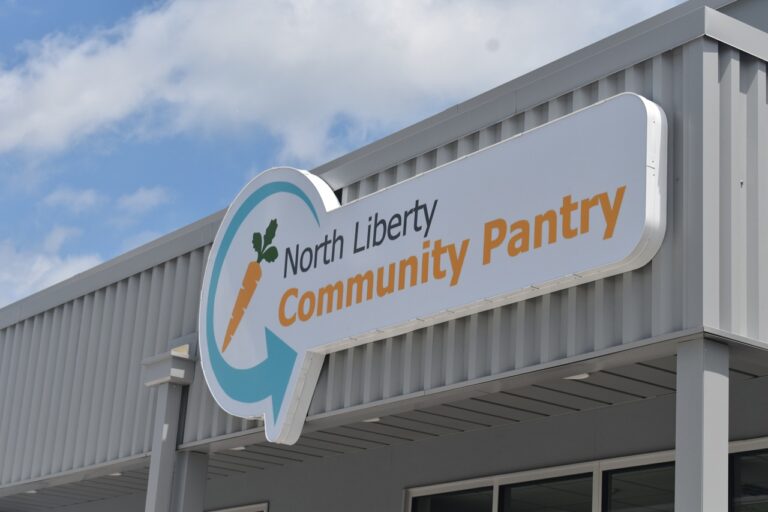
This pops to mind occasionally in discussions of restricted giving. Contributions that are restricted to only the most visible part of a nonprofit’s mission — say, funding only food at a food pantry — can undermine a nonprofit’s ability to carry out its work effectively and efficiently. Organizations can be left to play funding Tetris to support their vital work: this contribution will fund materials but not staff, that one supports certain staff but not others, another one cannot fund less visible — but essential — overhead expenses, and so on. The result diminishes a nonprofit’s ability to operate efficiently, effectively and nimbly.
Fortunately, there’s a better way: trusting that the nonprofit knows how to make an impact.
A key tenet of trust-based philanthropy involves removing restrictions on funding, allowing the nonprofit to deploy resources where needed to carry out its work. After all, the nonprofit itself is on the front lines and therefore is best positioned to know both its own business model and the needs of those it serves.
Admittedly, staff salaries and overhead expenses — utilities, office rent, insurance, fundraising costs, etc. — don’t tug on the heartstrings. But these are absolutely necessary expenses nonetheless. In the examples above, that food pantry needs to pay its electric bill to avoid distributing food in the dark, and the professional vocal group needs to hire the singers who make its music.
This isn’t to say that donors and funders should be reckless with their philanthropic dollars — especially now, when needs are so rapidly increasing. Rather, trust-based philanthropy calls for a shift in mindset that focuses on a nonprofit’s comprehensive impact and vision more than, say, its overhead rate. If you believe in a nonprofit’s mission and trust its ability to make an impact, then it’s sensible — strategic, even — to trust that nonprofit to allocate funds as it needs.
At the Community Foundation, we’ve seen increasing interest in our organization support grants, which offer unrestricted funding and investment in capacity building. As part of our strategic planning process last year, the Community Foundation convened a few focus groups of local nonprofit leaders. When we asked about the impact of unrestricted support, participants shared how these are essential to operating responsively and flexibly. One leader was especially succinct on the need for unrestricted funds: “Just write ‘yes.’ Period.’”
And yet, many donors and funders have been slow to embrace unrestricted giving. Candid, which compiles data on the nonprofit sector, reported that slightly less than one-third of funding was unrestricted at the median U.S. foundation, for example.
Our community is home to a vibrant constellation of nonprofits and donors who invest so generously in their work. From hunger to homelessness and education to artistic expression, we ask nonprofits to address some of our community’s most important issues. It’s time to trust them to do so.
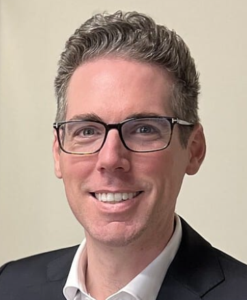
Joe Heitz is the vice president of community impact at the Greater Cedar Rapids Community Foundation.