As traditional pension plans continue to decline, 401(k) and other defined contribution plans have become the primary vehicles for retirement savings. This shift places an increasing level of responsibility on employees, but it also creates a meaningful opportunity for employers. Business owners, as plan sponsors, are uniquely positioned to help bridge the gap between saving for retirement and thriving during it.
Bridging the Savings-to-Income Gap
For many employees, a retirement account balance is just a number. The real challenge lies in translating that balance into sustainable income. Without guidance, employees may struggle to determine how much they can safely withdraw or how long their savings will last.
Employers can play a critical role by introducing tools and resources to make this transition more tangible. Income projection calculators, for example, allow participants to visualize how their current savings may translate into monthly income in retirement. These tools shift the conversation from account balances to paycheck replacement, helping employees make more informed decisions.
In addition, education is essential. Offering workshops or digital resources on withdrawal strategies, such as the “4% rule” or tax-efficient sequencing of withdrawals, can significantly improve retirement readiness. Even basic guidance on coordinating withdrawals across taxable, tax-deferred, and Roth accounts can help employees preserve their savings longer.
The Employer’s Strategic Impact
A strong retirement plan is more than just an employee benefit; it is a strategic advantage. Organizations which invest in financial wellness often experience higher employee engagement, improved retention, and smoother workforce transitions.
Plan design plays a key role. Features such as automatic enrollment and automatic escalation help employees build savings consistently over time. Catch-up contributions can empower late-career employees to boost their retirement readiness. Increasingly, employers are also introducing emergency savings programs, which can reduce the need for employees to tap into retirement accounts for short-term financial needs.
Beyond plan features, communication is critical. Employees are more likely to take action when information is clear, relevant, and timely. Regular reminders, personalized messaging, and access to financial professionals can make a significant difference in participation and outcomes.
Creating a Culture of Retirement Readiness
Business owners who prioritize retirement readiness are investing not only in their employees’ futures, but also in the long-term health of their organizations. When employees feel confident about their financial future, they are more focused, more productive, and better prepared to transition into retirement when the time is right.
By proactively addressing the distribution phase of retirement, not just the accumulation phase, employers can differentiate their benefits offering and strengthen their role as a trusted partner in their employees’ financial journey.
In today’s evolving retirement landscape, the most successful organizations will be those which recognize this responsibility and take meaningful steps to support their workforce before and after retirement.

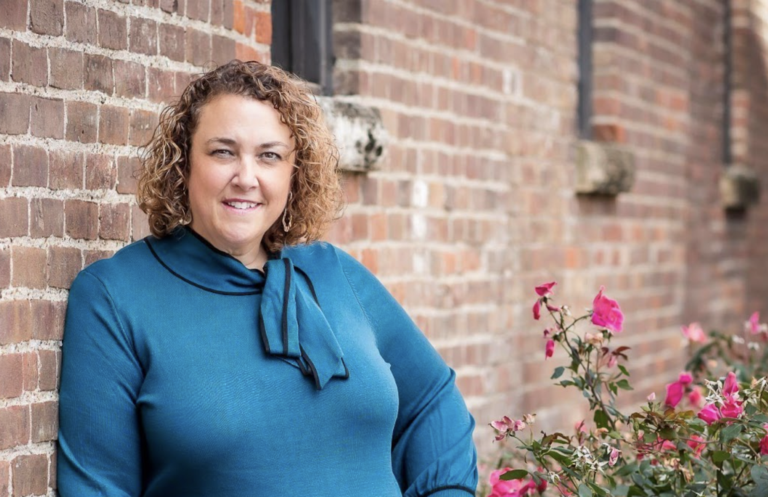
Shelly Freemole, Vice President, Retirement Plan Officer at Hills Bank, partners with businesses to create smarter, more effective retirement plans. Investment products are not a deposit, not FDIC insured, not insured by any federal government agency, carry no bank guarantee, and may go down in value.